4.76
(37 Ratings)

Medical Gaslighting: Recognizing and Preventing Healthcare Bias
Categories: Healthcare Ethics
Wishlist Share

About Course

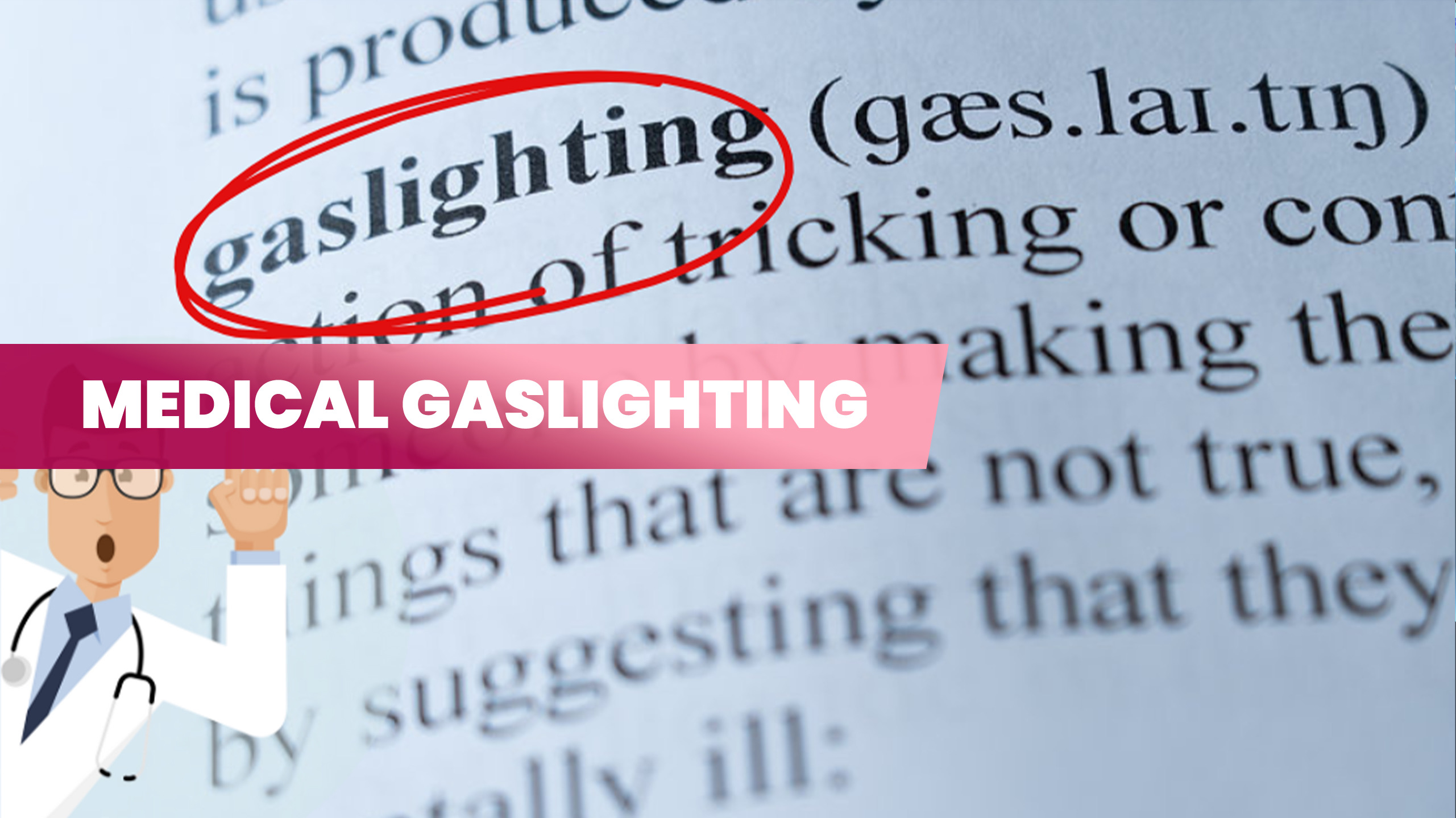
As a healthcare provider, have you ever brushed aside or dismissed a patient’s concern as nothing to worry? Imagine experiencing the warning signs of a heart attack, only to be told it’s just stress. Unfortunately, this scenario—known as medical gaslighting—is all too common, particularly among women, people of color, and other marginalized groups.

Despite heart disease being the leading cause of death in America, women’s symptoms are often misinterpreted, downplayed, or misdiagnosed. Research shows that women are twice as likely as men to be diagnosed with a mental illness when presenting with heart attack symptoms, leading to delayed care and worse outcomes. A study published in the Journal of the American Heart Association found that women, particularly women of color, face longer waits in the emergency room and receive fewer diagnostic tests, leading to misdiagnosis and delayed treatment. These biases often result in delayed diagnoses, improper treatments, and ultimately, poorer health outcomes.

In this webinar, we will explore the phenomenon of medical gaslighting—what it is, when and why it occurs, and its disproportionate impact on certain groups. Drawing on scientific research and real-world case studies, you’ll learn how to spot when medical gaslighting is happening and, more importantly, how to stop it. Discover how to give every patient the care they deserve by recognizing implicit biases and fostering a patient-centered approach.

Show More

What Will You Learn?

  • Understand the Concept of Medical Gaslighting: Recognize what medical gaslighting is and how it disproportionately affects women and minority populations, leading to misdiagnosis and poorer health outcomes.
  • Identify Common Bias-Related Healthcare Scenarios: Learn to spot key situations where medical gaslighting occurs, such as dismissing women’s symptoms of heart disease, and understand the role of implicit bias in these situations.
  • Analyze Research on Healthcare Disparities: Explore case studies and research findings that highlight how medical gaslighting contributes to longer wait times, delayed treatments, and misdiagnoses, particularly for vulnerable groups.
  • Develop Patient-Centered Communication Strategies: Learn how to validate patient concerns, ask the right questions, and ensure comprehensive assessments to avoid prematurely dismissing symptoms in at-risk populations.
  • Implement Bias-Reduction Techniques in Clinical Practice: Gain practical tools to reduce implicit bias in your everyday healthcare practice, ensuring that all patients receive equitable, respectful, and timely care.

Course Content

WEBINAR

  • Medical Gaslighting Webinar Video
    01:01:59
  • Post Quiz
  • Course Attestation

Student Ratings & Reviews

4.8
Total 37 Ratings
5
30 Ratings
4
5 Ratings
3
2 Ratings
2
0 Rating
1
0 Rating
CS
2 months ago
good information
EL
2 months ago
very informative
CS
2 months ago
Yes this will greatly help me when I start working. Thank you!
BV
3 months ago
Good overview; good reminder.
JB
3 months ago
I enjoyed this course. It was helpful for me.
MV
3 months ago
I like this type continuing education. Alice is knowledgeable and voice is easy to listen too. I can’t wait to enroll more in her classes.
This course in medical gaslighting was an eye opener.

AW
3 months ago
Yes! I’m guilty of using “frequent flier”! I’m thankful for the new verbiage learned today that I will start using now!
SM
3 months ago
Yes, brought to light what could happen and how to avoid gaslighting
KD
4 months ago
good information
LC
4 months ago
good info
JB
4 months ago
Good review with reflection ideas.
CC
4 months ago
Great information and delivered in a digestible format
JS
5 months ago
The course info was great but the pages are slow to load (and yes, I have high speed internet) and I'd like to review the quiz questions I got wrong
K
5 months ago
Course gave great point about how to avoid gaslighting.
KM
5 months ago
A very important course, especially when it comes to clients or patients simply inquiring and making informed decisions regarding vaccines and their general health plans.
E
5 months ago
Great speaker!
KZ
5 months ago
yes, informative.
Kendra Strenth
5 months ago
Great course. Seen it too many times.
LT
5 months ago
Great course, useful info
C
6 months ago
Informative and easy to follow

Want to receive push notifications for all major on-site activities?